pediatric and infant care
Gentle, Individualized Care for Growing Kids
Transitions may feel harder. Sleep, school, activity, sensory input, or changes in routine can take more energy. Some children seem to move through their day with ease, while others become overwhelmed, tense, fatigued, or need more time and support to adjust.
PROUDLY ACCREDITED BY




What Makes Our Pediatric Care Different?
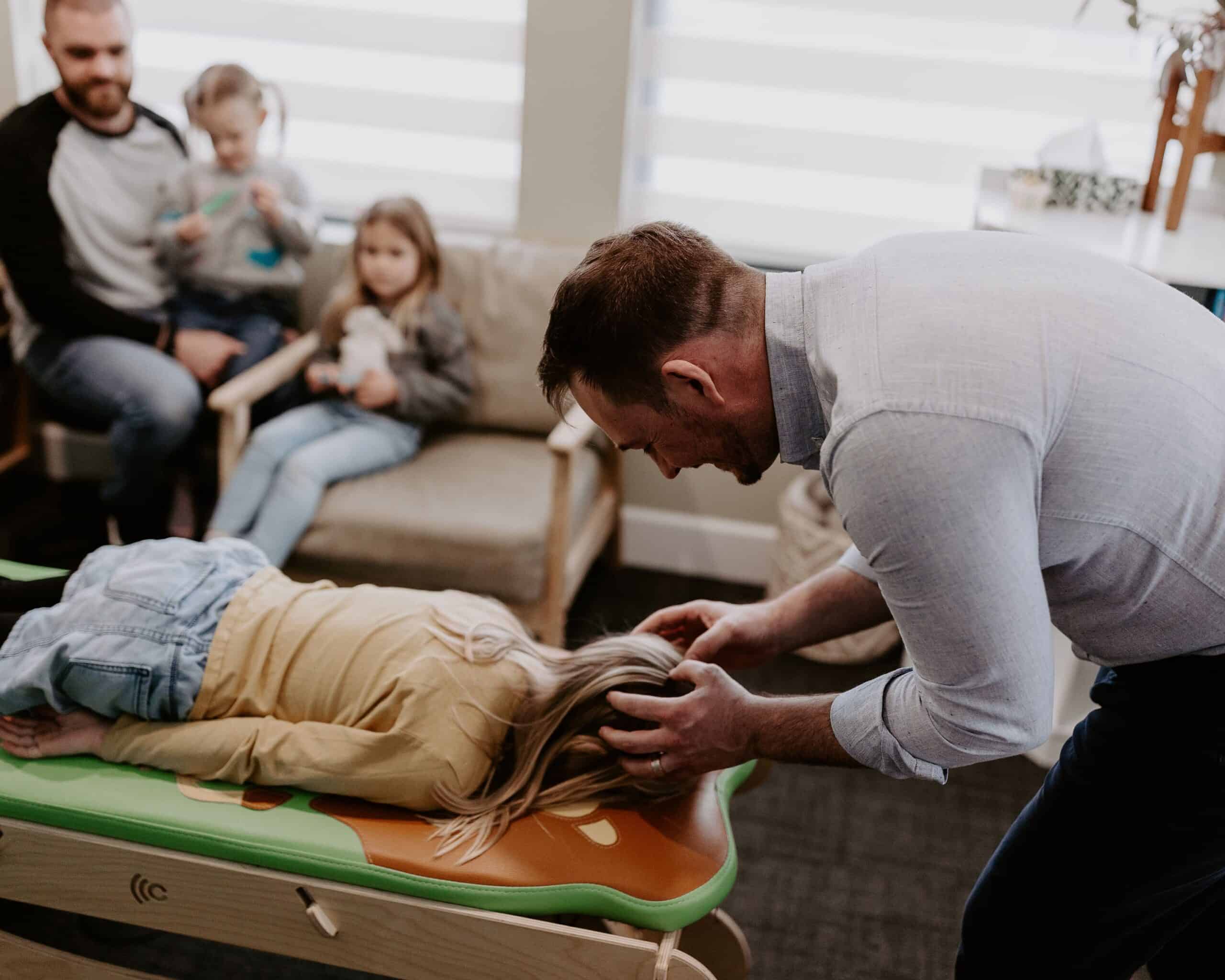
At Kauri, we understand that every child experiences their world differently. Our pediatric care is gentle, individualized, and centered around your child’s comfort. We take time to listen to what you have been noticing, understand their health and development history, and look at how their spine, movement, and nervous system are functioning together.
Our doctors use age-appropriate techniques selected specifically for your child. We explain what we are seeing, involve you throughout the process, and regularly review how their care is progressing. Our goal is to create a space where both you and your child feel heard, supported, and confident in the care you are receiving. From a baby’s earliest days through the teenage years, childhood is filled with growth, movement, learning, and change.
At Kauri Chiropractic, we provide gentle pediatric chiropractic care in a calm and welcoming environment where children and their families can feel safe, seen, and supported. Our goal is to understand your child as a whole person. We listen carefully, complete an age-appropriate assessment, and explain whether chiropractic care may be appropriate for their individual needs.



What Makes Pediatric Care at Kauri Different?

Gentle and Age-Appropriate
The amount of pressure and the techniques used with a baby or young child are different from those used with an adult. Care is adapted to your child’s age, size, comfort, and stage of development.
Child-Led and Compassionate
We never want a child to feel rushed or pressured. We take time to build trust, explain what is happening in age-appropriate language, and adjust the pace of the visit when needed.
Clear and Collaborative
We are honest about the role and limitations of chiropractic care. When appropriate, and with your consent, we are happy to communicate with other members of your child’s healthcare team.
Individualized Recommendations
Your child’s care is based on their specific history, physical exam, and scans. We explain what we found, what we recommend, and what families can reasonably expect from chiropractic care.
Family-Centred
Parents and caregivers are important members of the care team. We welcome your questions, respect your concerns, and make sure you understand each step before moving forward.
Care Through Every Stage
Infants
Infant visits are calm, gentle, and adapted to your baby’s comfort. Parents may choose to have their baby assessed following birth, during periods of rapid growth, or when they have questions about movement or neuro-musculoskeletal function.
We also consider positioning, movement preferences, and age-appropriate physical development as part of the overall assessment.


Toddlers and Children
As children begin crawling, walking, climbing, playing, and participating in activities, their bodies continually adapt. We assess spinal and neuro-musculoskeletal function and provide care when clinically appropriate.
Preteens and Teenagers
Growth spurts, sports, school activities, repetitive movements, and prolonged sitting can place changing demands on a young person’s body. Care is individualized according to their activities, assessment findings, and personal goals.

Welcoming Children With Complex Needs
Some children need more time, predictability, or flexibility during healthcare visits. We welcome children with sensory preferences, communication differences, or complex health histories.
Our team can adapt the environment, pace, communication, and positioning to help your child feel more comfortable. We will always be transparent about what chiropractic care can and cannot address.
For children who benefit from a more structured approach, we may recommend additional appointment time, closer monitoring, or an individualized care format based on their assessment and tolerance.